News: cancer
Androgen study could lead to new treatments for breast cancer

An international collaborative study involving University of Adelaide and Cedars-Sinai Medical Center researchers has revealed new insights about hormonal treatment that could lead to the development of better breast cancer treatments.
[Read more about Androgen study could lead to new treatments for breast cancer ]
Low-fat diet could be key to stopping cancer growth
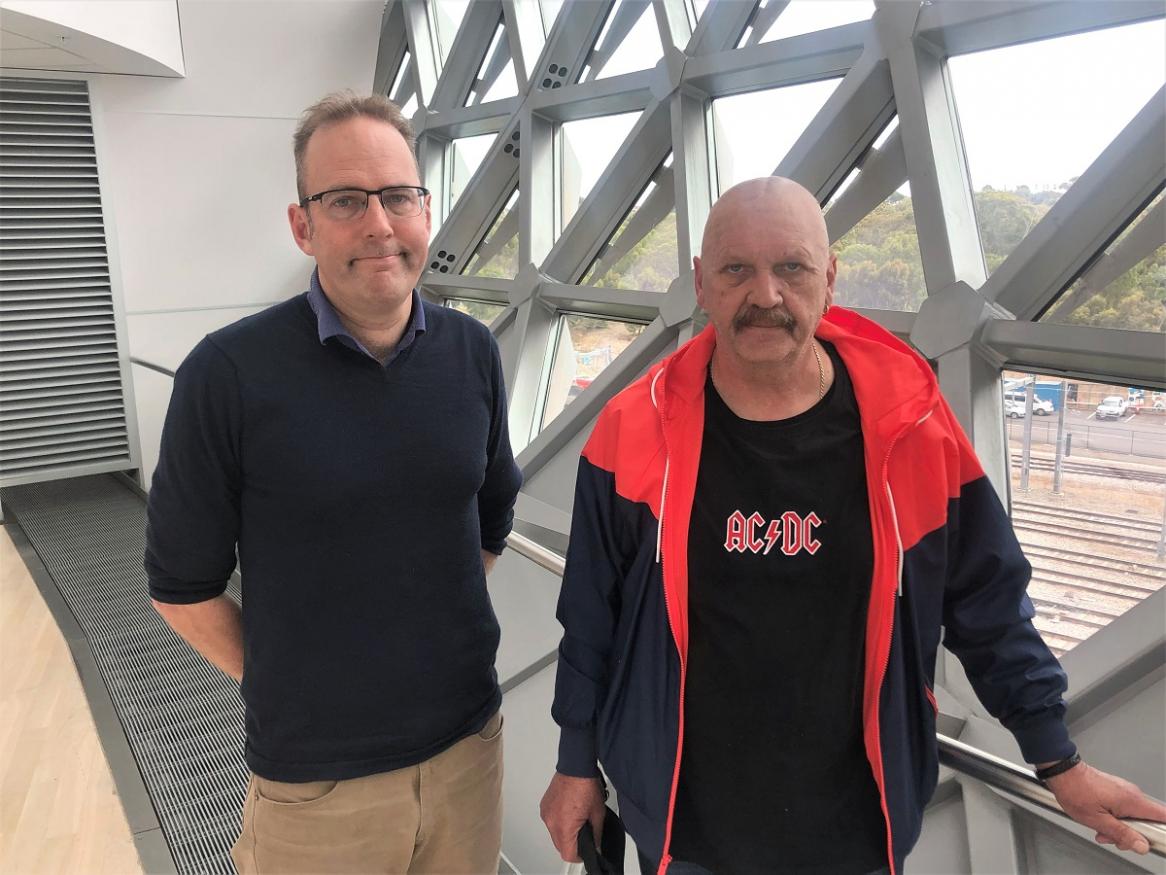
New research has found food could play a major role in stopping the growth of some cancers.
[Read more about Low-fat diet could be key to stopping cancer growth ]
Traditional Chinese medicine reduces side effect of cancer treatment
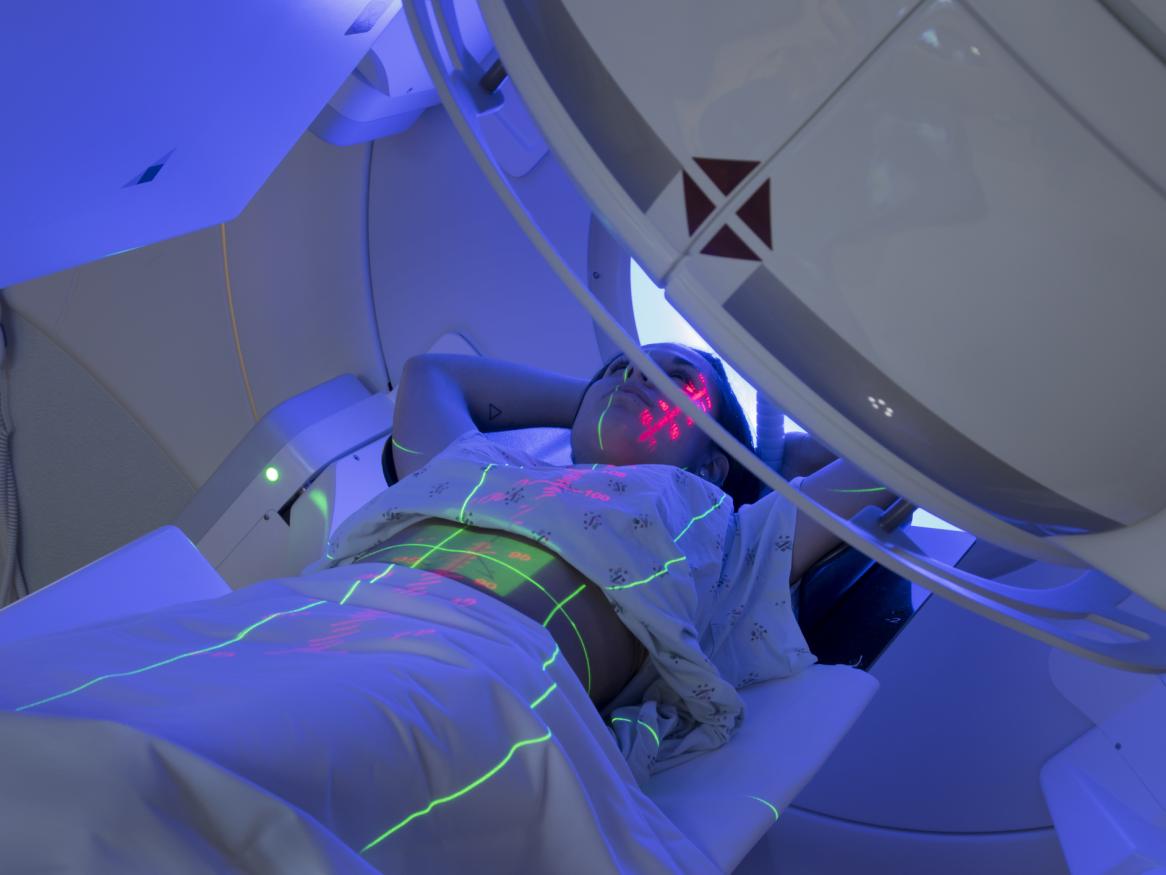
For tens of thousands of Australians who receive radiotherapy as part of their cancer treatment, mucositis is a serious side effect that may cause inflammation, ulcers, diarrhoea, nausea and vomiting, abdominal pain and bloating.
[Read more about Traditional Chinese medicine reduces side effect of cancer treatment ]
Study reveals Indigenous Australians at higher risk of HPV throat cancers
Researchers from the University of Adelaide have found that throat cancers caused by human papilloma virus (HPV), a common sexually transmitted disease, are 15 times more prevalent in Indigenous Australians than young non-Indigenous Australians, and five times the prevalence reported in a systematic review involving the US, Brazil, Mexico and Finland.
[Read more about Study reveals Indigenous Australians at higher risk of HPV throat cancers]
Arthritis drug used to limit antibiotics in blood cancer patients

Researchers from the University of Adelaide and the Radboud University Medical Centre in the Netherlands have repurposed an arthritis drug to restrict the use of antibiotics in the treatment of side effects caused by blood cancer, including leukaemia, lymphoma and myeloma.
[Read more about Arthritis drug used to limit antibiotics in blood cancer patients]
Leading cancer researcher joins SAiGENCI

Cancer research expert Professor Melissa Davis has been appointed as Program Leader, Cancer Systems Biology at the South Australian immunoGENomics Cancer Institute (SAiGENCI).
Medical research funding boost has wide impact

University of Adelaide experts have been awarded more than $1.9 million to pursue medical research that will improve the lives of people such as young Aboriginal women, high-risk COVID-19 groups and cancer sufferers.
[Read more about Medical research funding boost has wide impact]
Cancer treatment ‘brain-gain’ for South Australia
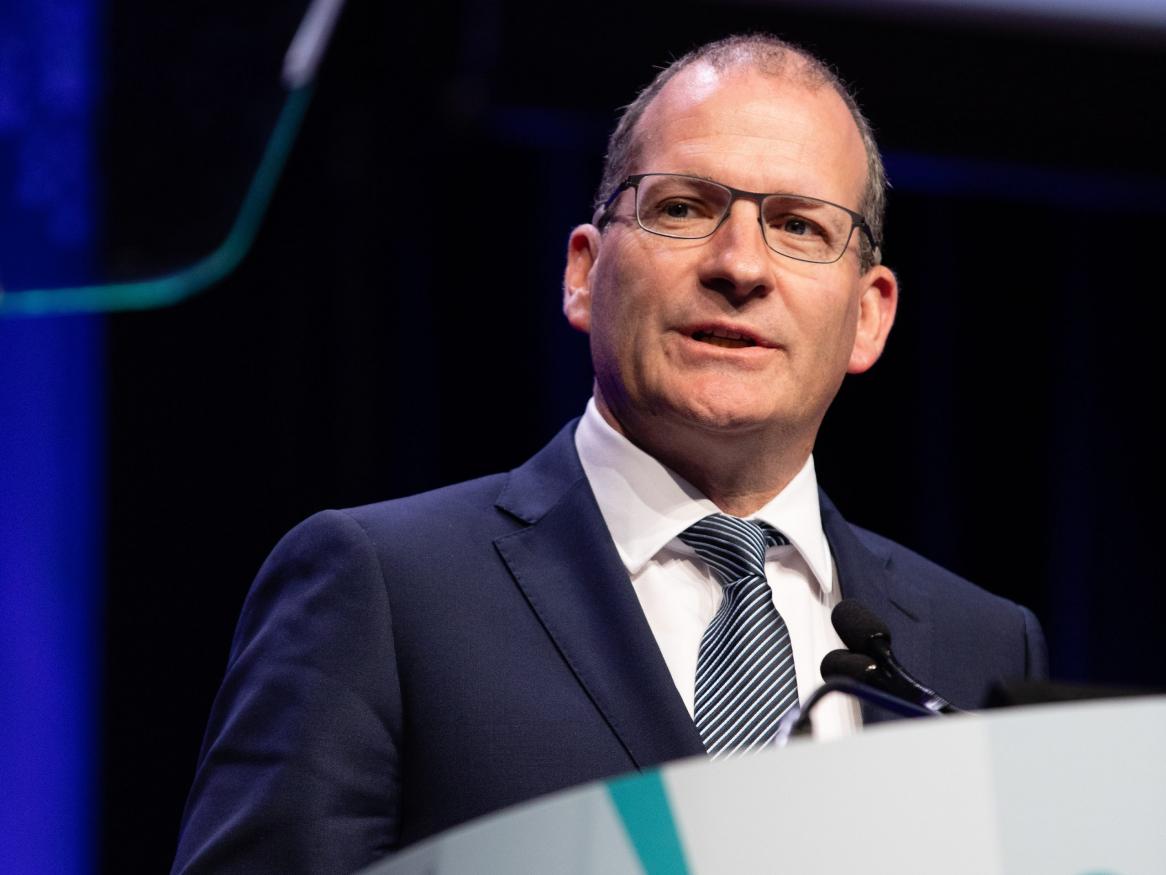
South Australian patients with cancer will benefit from world-class cancer research and new treatments with the appointment of three globally-lauded scientists to the University of Adelaide’s South Australian immunoGENomics Cancer Institute (SAiGENCI).
[Read more about Cancer treatment ‘brain-gain’ for South Australia]
State-of-the-art Cancer Institute to deliver world-leading research and treatment for South Australians
World-leading patient care, cutting-edge cancer diagnoses and treatments – including genomic and immune-based technologies – combined with ground-breaking research collaborations, will be the focus of a new cancer institute in South Australia.
Starving gut bacteria to improve chemotherapy outcomes
Fasting before chemotherapy drastically increases the number and diversity of bacteria found in the gut and can improve treatment outcomes, a new study by University of Adelaide researchers has found.
[Read more about Starving gut bacteria to improve chemotherapy outcomes ]
